S5E123: The Philosophy of Project Management: 2nd Innings with Paul Goodge & Warren Beardall
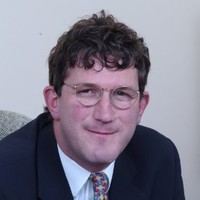
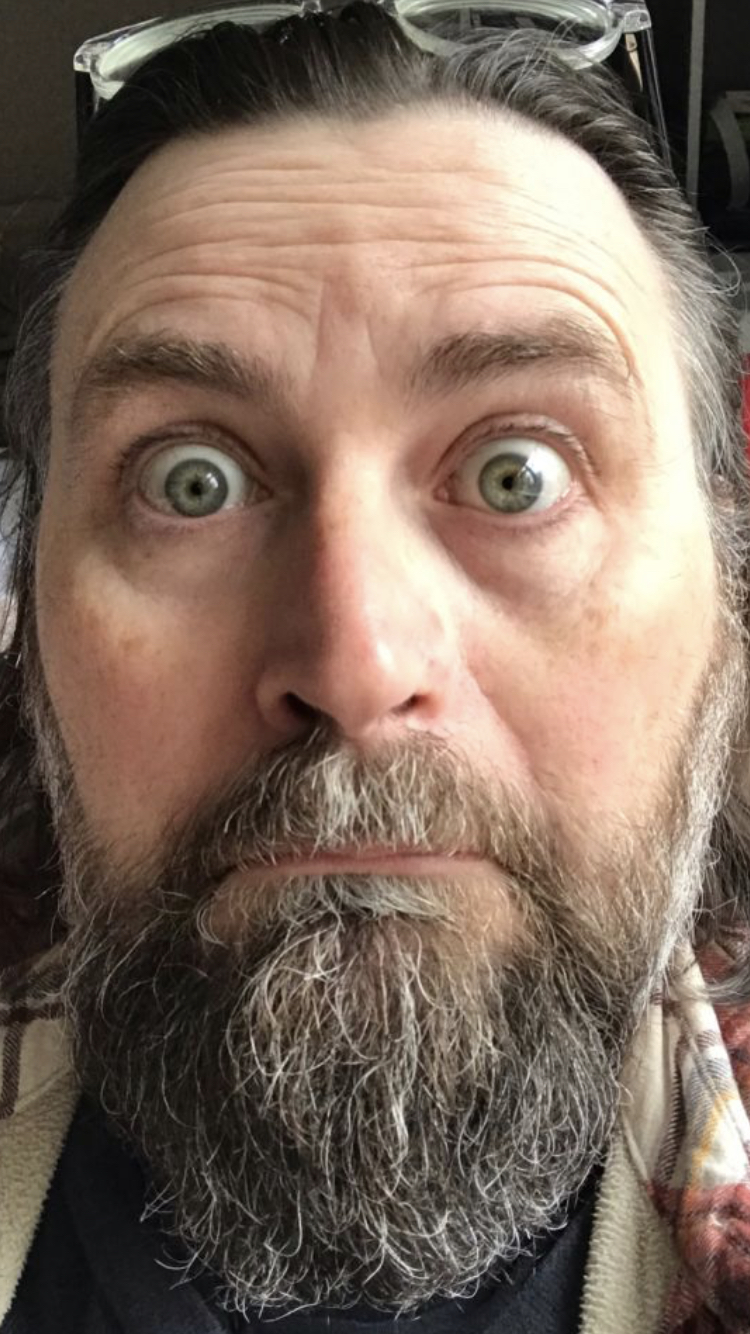
In this week’s pod, we were re-joined by Paul Goodge and Warren for the second innings of the philosophy of Project Management. Paul is internationally regarded as a Programme Management and Change Management specialist. He is noted for his ability to swiftly and accurately diagnose issues and evolve solutions both from a technical and a behavioural point of view. Over his career he held a variety of roles both in line leadership and a number of functional responsibilities, providing him with insights across the whole of the enterprise. He has chaired or sat on a wide variety of internal and external committees and steering groups. An ex-Board member of the Association of Project Management he has continued to work very closely with the organisation and was in the first cohort to achieve Chartered Project Professional status. He is an avid long-distance walker, and worldwide traveller, and greatly enjoys music, reading, sport, fine food and wine in his spare time. He has recently commenced studying for a PhD. He lives in Wiltshire. Warren has 25 years of experience within the construction-related insurance industry. Three years ago Warren made a decision to reset his career. He joined a consulting practice offering specialist risk, internal control and assurance advice to large-scale construction and professional service providers. He also opted to return to university and read a mid-career MSc in Project Management, Finance, and Risk. Graduating with distinction in late 2020, and invigorated to bring a fresh challenge to the long-standing project paradox that plagues our industry. The interim conclusion of this ongoing research is that Partnerships were never truly there. And that this is deemed no different in our wider construction endeavour. The suggested answer to the paradox is that projects are either set up to collaborate, or they are set up to fail. That is what he is here to discuss...The main topics we discussed on the podcast were as follows: · Time-bound intended change (TIC) can be used as a definition of a project in order to challenge the existing definitions that usually encompass time/cost/quality · Association for Project Management (APM) / Project Management Institute (PMI) have a role to play in leading the discussion around challenging the existing thinking around projects · Organisations such as the Infrastructure and Projects Authority should be leading and challenging lessons learnt on major projects. Are the right people in the room? · How do we understand what knowledge is? · There is clear evidence that if there is enough leadership interest in personal agendas, it creates a long-term issue for the people who have to work under the leader · Clarity of vision and priority is key for a leader to be successful over a period of time · Information exchange is now immediate due to technology. This makes it more difficult to · Tragedy of the Commons (link below) is the perfect example of whether we will be successful from a sustainable standpoint in the 2020sHere are links to some of the topics we discussed: · Jo Lucas - Human-machine interoperability: What can we learn from the invention of the washing machine? - https://www.linkedin.com/pulse/human-machine-interoperability-what-can-we-learn-from-jo-lucas/ · Karl Jaspers – The Origin and Goal of History https://www.amazon.co.uk/Origin-Goal-History-Routledge-Revivals/dp/0415578809 · Projects Within Projects Blog
Guests

Paul Goodge
Consultant at Paul Goodge Associates
Paul is internationally regarded as a Programme Management and Change Management specialist. He is noted for his ability to swiftly and accurately diagnose issues and evolve solutions both from a technical and a behavioural point of view. Whilst Paul has spent considerable years operating at Board level, he is equally comfortable out in the workplace. Possessing a combination of technical professionalism and a high degree of empathy he is able to work intimately with individuals within a team and the team as a whole in enabling transformation. In all of his most senior roles he successfully implemented Capability Improvement Plans that received significant praise both internally and with the customer base. Over his career he held a variety of roles both in line leadership and a number of functional responsibilities, providing him with insights across the whole of the enterprise. He has Chaired or sat on a wide variety of internal and external committees and steering groups. An ex-Board member of the Association of Project Management he has continued to work very closely with the organisation and was in the first cohort to achieve Chartered Project Professional status. He achieved an MBA from Cranfield University in 1994. Paul retired from full-time employment in 2012 and enjoys a wide range of interests. His portfolio encompasses consultancy work to various companies, the P3M profession, Executive Coaching and extensive work with various charities, operating locally, nationally and internationally. He is an avid long-distance walker, world-wide traveller, and greatly enjoys music, reading, sport, fine food and wine in his spare time. He has recently commenced studying for a PhD. He lives in Wiltshire.

Warren Beardall
Projects to Warren are principally associated with the construction industry. He worked for 25 years within the construction related insurance industry. Three years ago Warren made a decision to reset his career. He joined a consulting practice offering specialist risk, internal control and assurance advice to large scale construction and professional service providers. He also opted to return to university and read a mid-career MSc in Project Management, Finance, and Risk. Graduating with distinction in late 2020, and invigorated to bring fresh challenge to the long-standing project paradox that plagues our industry. Career project experience was predominantly centered around Public Private Partnerships. Advising senior debt lenders, project equity Special Purpose Vehicles, Government entities or Construction Contractors. UK PFI, US and Canadian P3, Turkish and European PPP. This experience became the center-piece of his MSc dissertation. The interim conclusions of this ongoing research is that Partnerships were never truly there. And that this is deemed no different in our wider construction endeavor. The suggested answer to the paradox is that projects are either set up to collaborate, or they are set up to fail. That is what he is here to discuss...
ConnectShare This Episode
Enjoyed this episode?
Subscribe to never miss a conversation with project experts